Categories
Travel

Loppemarked or the Norwegian Flea Market

Loppemarked, also known as flea markets or second-hand markets, are a popular tradition in Norway where people sell their used items to others. They are a great way to find unique items, from vintage clothing to rare antiques, while also being an environmentally-friendly way to shop. Here is a guide to loppemarked in Norway.

What is Loppemarked?

Loppemarked are markets where individuals and organizations can sell their used items to others. They can take place in various settings, such as outdoor markets, indoor halls, or even in people’s backyards. The items sold can range from clothes, books, and furniture to more unusual finds like vintage toys, vinyl records, and collectibles.

Loppemarked in norway

When and Where to Find Loppemarked

Loppemarked are typically held during the spring and summer months, from April to September. They can be found in cities and towns across Norway, with many taking place on weekends. Some popular locations for loppemarked include:

  1. Frukt & Grønttorget in Oslo: This outdoor market in the heart of Oslo is held on Sundays and is a popular destination for vintage and antique collectors.
  2. Blå Market in Oslo: This indoor market in Grünerløkka is held on Sundays and offers a variety of second-hand items, as well as food and live music.
  3. Vestkanttorget in Bergen: This outdoor market in Bergen is held on Saturdays and is known for its selection of vintage clothing and accessories.
  4. Loppemarkedet på Søndagsmarkedet in Stavanger: This outdoor market in Stavanger is held on Sundays and offers a mix of second-hand items, antiques, and artisanal goods.

Tips for Shopping at Loppemarked

Shopping at loppemarked can be a fun and rewarding experience, but it’s important to be prepared. Here are some tips for shopping at loppemarked:

  1. Bring cash: Some loppemarked do not accept credit cards, so it’s important to bring cash with you. Although most will accept Vipps.
  2. Bargain: Haggling is expected at loppemarked, so don’t be afraid to negotiate a lower price.
  3. Get there early: The best items tend to go quickly, so it’s a good idea to arrive early for the best selection.
  4. Check the condition: Make sure to inspect items carefully before purchasing to ensure they are in good condition.
  5. Have an open mind: Loppemarked can be a treasure trove of unique items, so keep an open mind and don’t be afraid to try something new.

The Benefits of Loppemarked

Loppemarked offer several benefits, both for shoppers and sellers. For shoppers, loppemarked are a great way to find unique items at affordable prices. They are also an environmentally-friendly way to shop, as they promote the reuse of items that might otherwise end up in landfills.

For sellers, loppemarked are a way to declutter their homes and make some extra money. They also offer a social aspect, as sellers can interact with customers and other sellers.

In addition, loppemarked support local communities by providing a platform for small businesses and individuals to sell their items.

Conclusion

Loppemarked are a popular tradition in Norway, offering a fun and unique way to shop for second-hand items. They can be found in cities and towns across the country and offer a variety of items, from vintage clothing to rare antiques. By following these tips and keeping an open mind, shoppers can have a fun and rewarding experience at loppemarked while also supporting local communities and the environment.
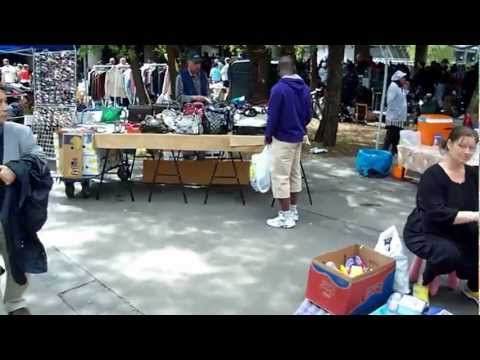
Sunday flea market in Oslo, Norway
Categories
Travel

Travel Tips for Norway

Norway is a breathtakingly beautiful country with stunning landscapes, picturesque towns, and a rich cultural heritage. Whether you’re interested in hiking through rugged mountains, exploring charming fishing villages, or learning about Norwegian history and culture, Norway has something for everyone. To help you make the most of your trip to Norway, here are some travel tips to keep in mind.

Pack for the weather

Norway’s weather can be unpredictable, even in the summer months. Be sure to pack layers, a waterproof jacket, and sturdy shoes for outdoor activities. If you’re traveling in the winter, be prepared for snow and cold temperatures.

Take advantage of public transportation

Norway has an excellent public transportation system, including trains, buses, and ferries. Not only is it a convenient and affordable way to get around, but it also allows you to enjoy Norway’s stunning scenery without having to worry about driving.

Plan ahead for accommodations

Norway is a popular tourist destination, so it’s important to book accommodations in advance, especially during peak season. Consider staying in a traditional Norwegian cabin, known as a hytte, for a unique and cozy experience.

Try traditional Norwegian cuisine

Norwegian cuisine is known for its focus on fresh, local ingredients, and seafood is a particular specialty. Be sure to try some traditional Norwegian dishes, such as salmon, cod, and reindeer meat.

Respect Norway’s natural environment

Norway’s natural environment is a national treasure, and it’s important to treat it with respect. Be sure to follow the Leave No Trace principles, which include packing out your trash, staying on designated trails, and respecting wildlife.

Explore Norway’s national parks

Norway has over 40 national parks, each with its own unique natural beauty. Consider adding a visit to one or more national parks to your itinerary, such as Jotunheimen National Park or Rondane National Park.

Learn about Norwegian history and culture

Norway has a rich history and culture, and there are many museums and historic sites to explore. Consider visiting the Viking Ship Museum in Oslo or the UNESCO World Heritage Site of Bryggen in Bergen.

Budget accordingly

Norway can be an expensive country to visit, so it’s important to budget accordingly. Consider staying in hostels or camping to save money on accommodations, and take advantage of public transportation instead of renting a car.

Visit during the shoulder season

Peak season in Norway is from June to August, when the weather is warmest and daylight hours are longest. However, visiting during the shoulder season, in May or September, can offer lower prices and fewer crowds while still enjoying pleasant weather.

Experience the Northern Lights

One of the most breathtaking natural phenomena in Norway is the Northern Lights, or Aurora Borealis. The best time to see them is from late September to early April, and there are many tours and excursions available to help you experience this stunning display of nature.

In conclusion, Norway is a beautiful and unique destination that offers something for everyone. By following these travel tips, you can make the most of your trip and experience all that Norway has to offer. Whether you’re interested in outdoor adventures, cultural experiences, or simply enjoying the stunning scenery, Norway is sure to leave a lasting impression.

Oslo Sightseeing

We’re dishing out the top sightseeing tips to make the most of your time in Norway’s stunning capital. From iconic landmarks to hidden gems, we’ve got you covered. Whether you’re a history buff, an art enthusiast, or just seeking breathtaking views, our guide will ensure you experience Oslo like a true local. Get ready to check off your bucket list with our expert recommendations. Like, subscribe, and let’s start exploring together!

Sights to see when traveling to Oslo